Cutting-Edge Digital Marketing Trends
Cutting-Edge Digital Marketing Trends Shaping the Future
Digital marketing is evolving faster than ever. With advancements in artificial intelligence, changing consumer behavior, and new technologies, businesses must adapt to stay competitive in the digital landscape.
Modern consumers expect personalized experiences, instant responses, and engaging content across multiple platforms. To succeed, brands need to embrace the latest digital marketing trends that drive visibility, engagement, and conversions.
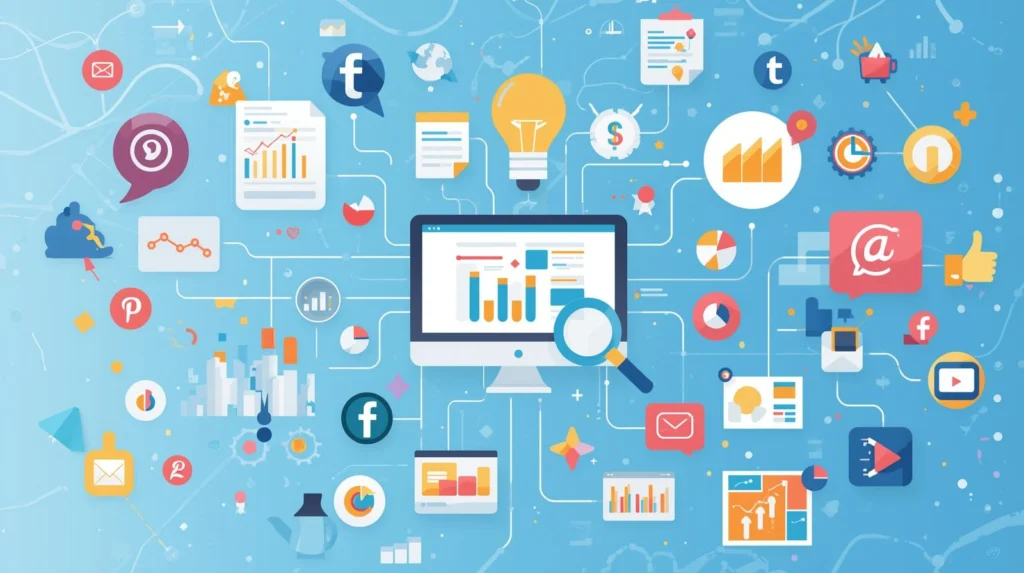
In this blog, we’ll explore the most cutting-edge digital marketing trends transforming the industry today.
1. Artificial Intelligence (AI) in Marketing
Artificial Intelligence is revolutionizing digital marketing by helping businesses automate tasks, analyze data, and deliver personalized customer experiences.
AI-powered tools can:
- Generate content ideas
- Automate email campaigns
- Analyze customer behavior
- Improve ad targeting
- Provide chat support through AI chatbots
AI improves efficiency, personalization, and customer engagement while reducing manual work.
AI also helps marketers predict trends and make data-driven decisions faster than ever before.
2. Voice Search Optimization
With the growing popularity of smart devices and voice assistants, voice search is becoming an important part of SEO.
Voice search optimization helps businesses capture traffic from users searching hands-free.
People now search using conversational phrases like:
“Best digital marketing agency near me”
“How to improve website SEO”
“Top restaurants in Patna”
Businesses must optimize content for natural language and long-tail keywords by —
- Using conversational keywords
- Creating FAQ-based content
- Optimizing for local SEO
- Improving mobile performance
3. Short-Form Video Content
Short-form videos on platforms like Instagram Reels, YouTube Shorts, and TikTok are dominating digital marketing as it helps increase engagement, brand visibility, and audience retention.
Users prefer quick, engaging, and visually appealing content that delivers value instantly.
Popular short-form content includes:
- Tutorials
- Product demos
- Behind-the-scenes videos
- Quick tips
- Trend-based content
4. Personalized Marketing
Modern consumers expect brands to understand their needs and preferences.
Personalization improves customer experience and builds long-term relationships.
Personalized marketing uses customer data to deliver:
- Customized emails
- Product recommendations
- Personalized ads
- Dynamic website experiences
5. Influencer Marketing Evolution
Influencer marketing continues to grow, but brands are now focusing more on micro-influencers and niche creators.
Micro-influencers often have:
- Higher engagement rates
- More targeted audiences
- Better authenticity
- Strong community trust
Brands are shifting from celebrity endorsements to authentic creator partnerships as authentic influencer collaborations improve trust and audience engagement.
6. Interactive Content
Interactive content keeps users engaged and encourages participation.
It helps improves user experience and increases time spent on the website.
Popular interactive content formats include:
- Polls
- Quizzes
- Interactive infographics
- Calculators
- Live Q&A sessions
Interactive experiences help brands collect valuable customer insights while increasing engagement.
7. Zero-Click Searches and Featured Snippets
Search engines now provide direct answers within search results, reducing the need for users to click websites.
Thus, optimizing for zero-click searches improves visibility and authority in search results.
Businesses should optimize content for:
- Featured snippets
- FAQ sections
- Structured data
- Quick-answer content
8. Privacy-First Marketing
As consumers are becoming more concerned about data privacy, and regulations are changing how businesses collect user data, privacy-focused marketing builds customer trust and ensures compliance with regulations.
Brands are moving toward:
- First-party data collection
- Consent-based marketing
- Transparent privacy policies
- Cookieless tracking strategies
9. Social Commerce
Social media platforms are evolving into shopping destinations as it increases convenience, engagement, and conversion opportunities.
Social commerce simplifies the customer journey from discovery to purchase.
Consumers can now discover and purchase products directly through:
- Instagram Shops
- Facebook Marketplace
- TikTok Shop
- Pinterest Shopping
10. Omnichannel Marketing
Customers interact with brands across multiple platforms, including websites, social media, email, and mobile apps.
Omnichannel marketing creates a seamless experience across all touchpoints, thus, creating stronger customer relationship.
A successful omnichannel strategy ensures:
- Consistent branding
- Unified messaging
- Better customer experience
- Improved engagement
11. AI-Powered Chatbots and Conversational Marketing
Businesses are increasingly using AI chatbots to provide instant customer support and personalized communication.
Conversational marketing improves response time and customer satisfaction.
Chatbots can:
- Answer customer queries
- Recommend products
- Collect leads
- Schedule appointments
- Improve customer service availability
12. Data-Driven Marketing
Modern digital marketing relies heavily on analytics and customer insights.
Tools like Google Analytics and marketing automation platforms help marketers make smarter decisions.
Data-driven strategies improve marketing efficiency and campaign performance.
Businesses now use data to:
- Track campaign performance
- Understand customer behavior
- Improve targeting
- Increase ROI
Tools like Google Analytics and marketing automation platforms help marketers make smarter decisions.